Hip
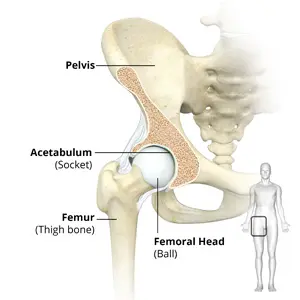
Anatomy of Hip
The hip joint is the largest weight-bearing joint in the human body. It is also referred to as a ball and socket joint and is surrounded by muscles, ligaments, and tendons. The thigh bone or femur and the pelvis join to form the hip joint.
Any injury or disease of the hip will adversely affect the joint's range of motion and ability to bear weight.
-
Total Hip Replacement
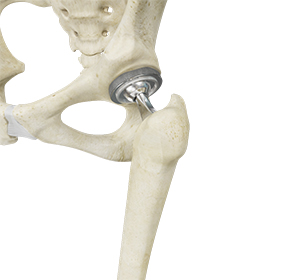
Total hip replacement is a surgical procedure in which the damaged cartilage and bone are removed from the hip joint and replaced with artificial components.
-
Hip Fracture Surgery
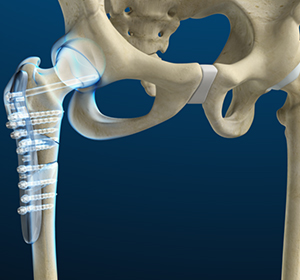
Hip fractures involve a break that occurs near the hip in the upper part of the femur or thigh bone. The thigh bone has two bony processes on the upper part - the greater and lesser trochanters.
-
Revision Hip Surgery
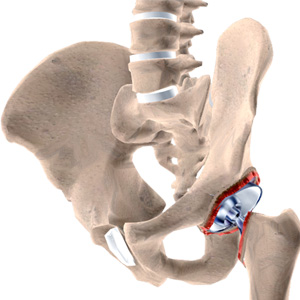
Revision hip surgery is a repeat hip surgery performed in certain patients to correct the problems or complications of previous hip surgery and overcome its limitations.
-
Outpatient Anterior Approach Hip Replacement

Outpatient anterior approach hip replacement refers to surgery accessed from in front of the hip in an outpatient setting. It is a minimally invasive procedure that has been developed to cause less muscle damage, faster recovery, and less disruption in a patient’s life.
-
Hip Surgery
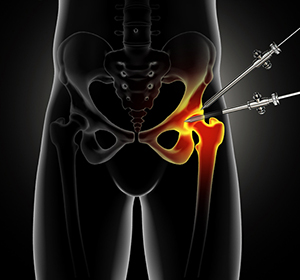
Hip surgery is a surgical procedure for the treatment of a hip injury or hip condition. The procedure involves repairing diseased or damaged structures of the hip joint in order to eliminate pain and restore normal hip function.
-
Outpatient Hip Replacement

Hip replacement surgery is one of the most common orthopedic surgeries performed. It involves the replacement of the damaged hip bone (ball shaped upper end of the femur) with a ceramic ball attached to a metal stem that is fixed into the femur and placing a new cup with a special liner in the pelvis.
-
Direct Anterior Hip Replacement
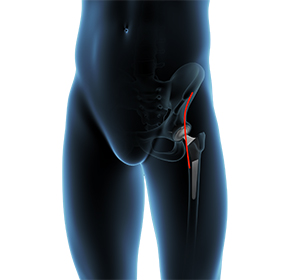
Direct anterior hip replacement is a minimally invasive hip surgery to replace the hip joint without cutting through any muscles or tendons as against traditional hip replacement that involves cutting major muscles to access the hip joint.
-
Revision Hip Replacement
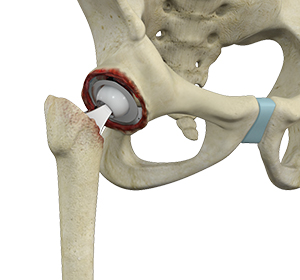
Revision hip replacement is a complex surgical procedure in which all or part of a previously implanted hip joint is replaced with a new artificial hip joint.
-
Primary Hip Replacement
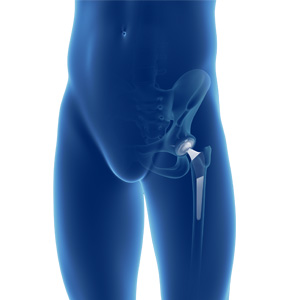
Primary hip replacement or hip arthroplasty is a surgical procedure in which the worn out or damaged parts of the hip joint are removed and replaced with artificial components called prostheses or implants that are made of metal, plastic, or ceramic.
-
Complex Primary Hip Replacement
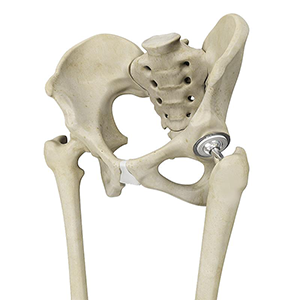
Complex primary total hip replacement is defined as a primary total hip replacement surgery performed on patients with comorbidities and compromised soft-tissue or bony conditions.
-
Hip Reconstruction
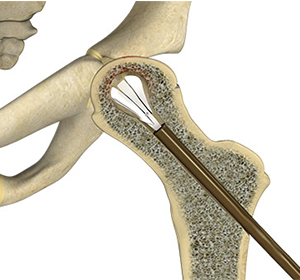
Hip reconstruction is a surgery to repair or replace a damaged hip joint that causes pain and limits your movement.
-
Robotic Total Hip Replacement
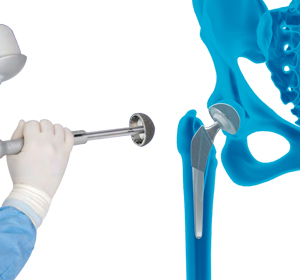
Robotic total hip replacement is a minimally invasive procedure where your surgeon is assisted by a robotic system to perform a total hip replacement surgery.
-
Robotic Assisted Hip Replacement
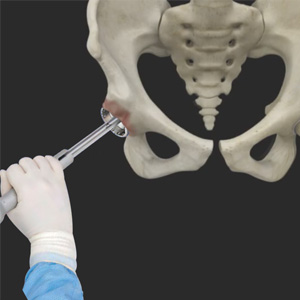
Robotic-assisted hip replacement is a minimally invasive surgical procedure that involves the use of a specialized robotic system to remove the damaged parts of a hip joint and replace them with an artificial prosthesis or implant.
-
Robotic Anterior Total Hip Arthroplasty
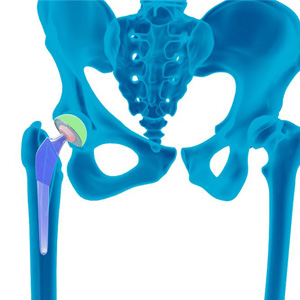
Robotic anterior total hip arthroplasty is a minimally invasive surgical procedure that involves the use of a specialized robotic system to remove the damaged parts of a hip joint and replace them with an artificial prosthesis or implant from an anterior approach rather than a traditional total hip arthroplasty approach.
-
Rapid Recovery Hip Replacement

Rapid recovery hip replacement is an innovative and minimally invasive surgical procedure to replace a damaged hip joint with a prosthesis. It is associated with minimal post-operative pain and discomfort and a shorter recovery time.
-
Femoral Nails
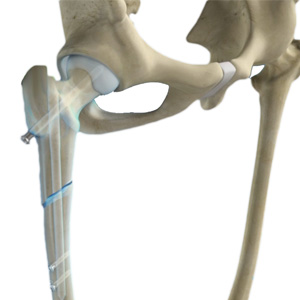
Femoral nails are metal rods used to align and stabilize fractured fragments of the femur or thigh bone. The rods are passed through the bone marrow at the center of the femur, across the fracture site.
-
Same Day Hip Replacement
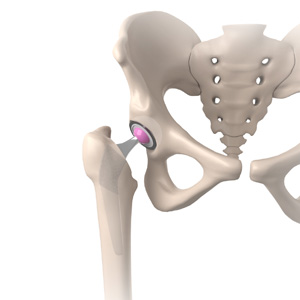
Hip replacement surgery is one of the most common orthopedic surgeries performed. It involves the replacement of the damaged hip bone (ball-shaped upper end of the femur) with a ceramic ball attached to a metal stem that is fixed into the femur and placing a new cup with a special liner in the pelvis.
-
Hip Arthritis
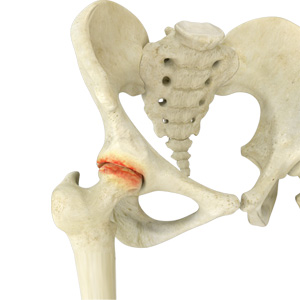
Osteoarthritis, also called degenerative joint disease, is the most common form of arthritis. It occurs most often in the elderly. This disease affects the tissue covering the ends of bones in a joint called cartilage.
-
Hip Fracture
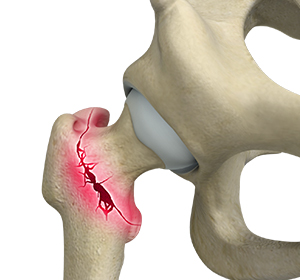
A hip fracture is a break that occurs near the hip in the upper part of the femur or thighbone. The thighbone has two bony processes on the upper part - the greater and lesser trochanters. The lesser trochanter projects from the base of the femoral neck on the back of the thighbone.
-
Hip Pain
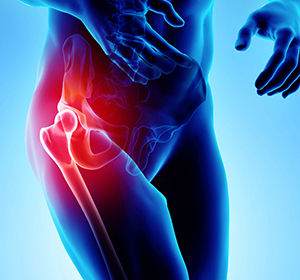
Hip pain, one of the common complaints, may not always be felt precisely over the hip joint rather in and around the hip joint. The cause for pain is multifactorial and the exact position of your hip pain suggests the probable cause or underlying condition causing it.
-
Femoral Neck Fracture
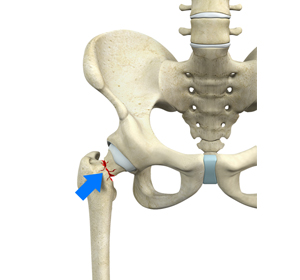
The hip is a ball-and-socket joint made up of the head of the thigh bone or femur that acts as the ball and fits into the rounded socket of the hip bone or acetabulum. The neck of the femur is the region just below the ball of the hip joint.
-
Avascular Necrosis

Avascular necrosis, also called osteonecrosis, is a condition in which bone death occurs because of inadequate blood supply to it. Lack of blood flow may occur when there is a fracture in the bone or a joint dislocation that may damage nearby blood vessels.
-
Hip Dysplasia
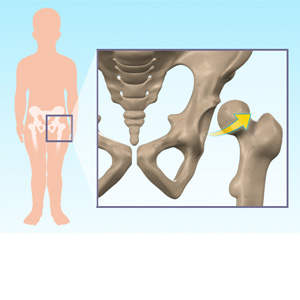
Hip dysplasia is a medical condition where the acetabulum (hip socket) does not fully cover the ball-like head at the top of the femur (thighbone). Most people who have hip dysplasia are born with it.
-
Acetabular Subchondral Cysts
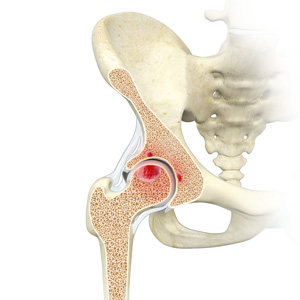
Acetabular subchondral cysts are fluid-filled sacs or spaces that form in the acetabulum (hip socket) side of the hip joint. Subchondral bone is the layer of bone just below the cartilage in a joint. The suffix ‘chondral’ means cartilage, while the prefix ‘sub’ means below.
-
Periprosthetic Fractures
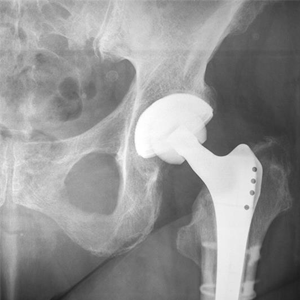
Periprosthetic fractures are fractures or breaks of bone associated with an orthopedic implant, whether it is a joint replacement or internal fixation device.